
Planting Seeds of Hope: January Garden Tips for a Fresh Start in the New Year

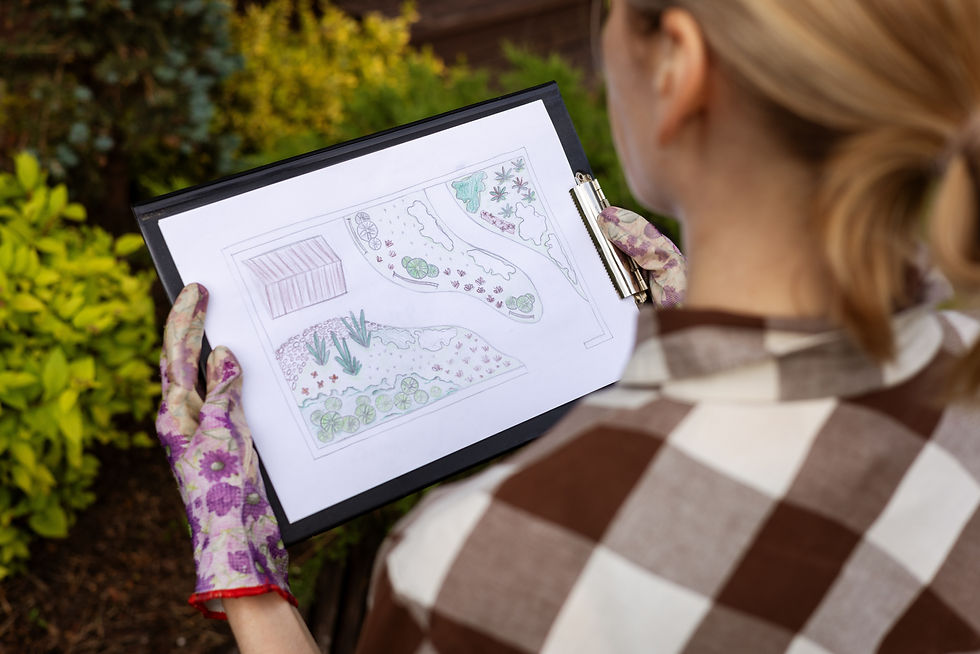
Starting a new year often brings a desire for renewal and fresh beginnings. For gardeners, January offers a unique opportunity to prepare for the seasons ahead and plant seeds —both literally and figuratively — whether they be actual seeds you're starting indoors or brainstorming your ideas by sketching the design for that new garden space for your side yard. This month is perfect for setting the foundation of a thriving garden that will flourish throughout the year. Whether you have a small balcony garden or a spacious backyard, January’s garden tasks can help you look ahead with optimism and purpose.
Preparing Your Garden for the Year Ahead
January is often a quiet month in the garden, but it’s far from inactive. This is the time to assess your garden’s needs and prepare the soil for the coming months. Use the cold days you may be spending indoors by organizing your seed packets by planting requirements and make a list of garden goals for the year. This will help you keep focus on what you'd like to accomplish and help make a realistic strategy for the coming months. It can also be helpful to review your garden zone specifics and help to determine ideal planting dates for your seeds and strategize which to start indoors and which can be directly sown into the garden when it's time.
Resist the urge to start clearing away any dead plants, fallen leaves, and debris. Cleaning up too early can damage plants and can also disrupt beneficial insects using seed stems for shelter. Birds also rely on dried seeds from last year's spent blooms for food, and early removal means less foraging options for our feathered friends.
Next, test your soil’s pH and nutrient levels. Many garden centers offer affordable soil testing kits. Based on the results, you can add organic matter such as compost, manure, or minerals to improve soil structure and fertility. This preparation helps your plants get off to a strong start when the growing season begins.
Starting Seeds Indoors
One of the most rewarding January gardening activities is starting seeds indoors. This gives you a head start on the growing season and allows you to nurture young plants in a controlled environment. Choose seeds that benefit from early sowing, such as tomatoes, peppers, and herbs like basil and parsley or flowers like lisanthus, snapdragons, and bachelors' buttons.
Use seed trays or small pots filled with a quality seed-starting mix. Keep the soil moist but not waterlogged, and place the containers in a warm, well-lit area. A south-facing window or a grow light works well. Label your seeds clearly to keep track of what you’ve planted.
Planning Your Garden Layout
January is a great time to plan your garden layout for the year. Consider crop rotation to prevent soil depletion and reduce pest problems. For example, avoid planting tomatoes or peppers in the same spot where you grew potatoes or eggplants last year, as they share similar pests and diseases.
Sketch a simple garden map, noting where you want to plant vegetables, flowers, and herbs. Think about companion planting—certain plants grow better together and can protect each other from pests. For instance, planting marigolds near tomatoes can help deter nematodes.
Caring for Winter Plants
Not all plants go dormant in January. Some winter-hardy vegetables like kale, Brussels sprouts, and leeks continue to grow and even improve in flavor after frost. Check these plants regularly for signs of pests or disease and remove any damaged leaves.
If you have evergreen shrubs or trees, give them a gentle watering on dry days to prevent winter stress. Mulching with dried leaves around the base of plants helps retain moisture and insulates roots from temperature swings.
Planning for Pollinators and Wildlife
A thriving garden supports local wildlife, including pollinators like bees and butterflies. Use January to plan how you will attract and protect these beneficial creatures. Consider planting native wildflowers, providing water sources, and avoiding pesticides.
Building or installing bee hotels and bird feeders can also encourage wildlife to visit your garden. These small actions contribute to a healthier ecosystem and a more vibrant garden throughout the year.
Setting Realistic Goals for Your Garden
A fresh start in the new year is a perfect time to set achievable gardening goals. Whether you want to grow more of your own food, start a cut flower garden, create a relaxing outdoor space, or increase biodiversity, clear goals help you stay motivated.
Write down your goals and break them into monthly tasks. For example, January’s focus might be seed starting and soil preparation, while February could be dedicated to pruning and early planting.
Embracing the Symbolism of Planting Seeds
Planting seeds in January carries a powerful symbolism beyond gardening. It represents hope, growth, and the potential for new beginnings. Each seed you plant is a small act of optimism, a belief in the future and the rewards of patience and care.
As you tend your garden this month, remember that the effort you put in now will bloom into beauty and abundance later. This mindset can inspire not only your gardening but also other areas of your life.


Comments